Tag: home security

How To Stop Burglars In Their Tracks When You’re On Vacation

Between work, school, family, and friends, life gets busy! You work hard, and you deserve a nice long break from time to time. But leaving your home for an extended period of time can be stressful. After a relaxing trip, no one wants to return home to discover a break-in or a maintenance disaster. Taking some precautions prior to your time away is the best way to ensure you’ll have peace of mind to enjoy your vacation to its fullest! Recently, insurance experts at The Zebra compiled the latest statistics regarding burglaries in the United States. According to their research, 2.5 million burglaries occur annually in the U.S. In other words, there are new victims of home break-ins every 26 seconds. Solid home security should be a priority for all homeowners. The good news is that there are proven strategies to keep your home safe and your valuables secure while you take that next trip. Here are a few strategies every homeowner should consider to keep their home secure while it’s empty. Invest in a Security SystemThe best thing that any homeowner can do is to get a smart home security system. According to an article from Forbes, 83% of

Read More »

The Pros and Con(do)s of Buying A Condo

As people progress in their lives, chances are that they will experience a desire for increased ownership and investment in their living space. For many, this might mean a transition from an apartment to a traditional single-family home. Certainly, a traditional home has many potential draws for a first-time homeowner, but depending on priorities and interests, it would be a mistake not to consider a condominium. Condos are often regarded as a less expensive, more obtainable first home for young people. If you are in the market for home ownership, it would be valuable to review the pros and cons of buying a condo. But first, it’s important to develop a general understanding of how a condominium differs from an apartment or a traditional home. What Is A Condominium? A condominium is a residential complex consisting of separate units, each owned by their respective resident. Often abbreviated as simply “condos,” these units resemble apartments in some ways, often sharing walls with other units. Sometimes they are even located in highrise buildings, with units above or below one another. Condo owners are responsible for the upkeep of their units’ interiors, while they must join their condo’s association to collectively care for


Read More »

Caring for Your Home When You’re Away

Do you leave your home for long periods of time? Whether you’re spending winters in warm weather, travelling for work, or visiting distant friends and family on the regular, it’s easy for your home maintenance to start lagging behind if you’re often away. Here’s what you can do to keep your home safe and looking its best while you’re travelling. Conduct your regular maintenance ahead of time. If you know ahead of time when you’ll be leaving and for how long, there are things you can do ahead of time to prepare your home for your departure. Inside your home you should take out the trash, turn off lights, replace batteries in your detectors, and tidy up each room. Outside, clean your gutters, clean your exhaust vents, trim any plants back from your home, and look for signs of animal intrusion. Check that your locks work properly. Even if you think all of your locks are in working order, it doesn’t hurt to give them a once-over. Check that your doors and windows close properly and stay locked in place. Any locks that stick or seem loose should be replaced. Pay attention to the forecast. It can be difficult to

Read More »

Creating a First-Aid Kit for Your Home

September is recognized annually as National Preparedness Month. This year, the theme of the month by ready.gov is “Prepare to Protect. Preparing for disasters is protecting everyone you love.” One way you can prepare to protect those in your home is by creating a first aid kit in case of an emergency. It’s easy to do, and you should always have one ready! Always Be Prepared A first aid kit is a necessity for your home. You should have at least one inside the house in an easy-to-reach spot, plus one in each car. While you can pick one up from the store, it might be preferable to make your own. This way you’ll know you have all the supplies you need and you can add other items as well. If you travel a lot, you can customize your kit towards the type of adventure you’re going on. Hiking, boating, biking, and other outdoor activities each can have their own tailored kit for accidents that commonly occur with them. Carrying Case Just as important as the items you put in your kit is the actual case itself. You’ll want something that’s easily transportable and durable. Plastic cases are a good

Read More »

Making A Safe Home for Seniors

Being able to live your life independently becomes more difficult the older you get. Since February is National Senior Independence Month, it’s a good opportunity to think about your long-term safety plan for elderly loved ones. It’s a tough decision to know what steps to take in protecting them at home, but you have a few options to make the best choice for them and you. Stay or Move The biggest question you’ll have to face is determining whether to stay put or relocate. Moving away from a place that holds so many years of memories isn’t easy, and it may complicate your final choice. To maintain a sense of freedom and avoid the dangers that come with living alone, downsizing is a favorable option. Retirement homes or assisted living centers are also popular, and ensure that there’ll be regular supervision of your family member. But you can still make their current dwelling safe without making them feel restricted. Reduce Fall Hazards 27 percent of people 60 and above live alone in the U.S., while almost 25 percent age 65 and up live alone in Canada. However, almost a quarter will experience some type of injury, most likely a fall,

Read More »

4 Leading Fire Extinguisher Tips for Keeping Your Family Safe

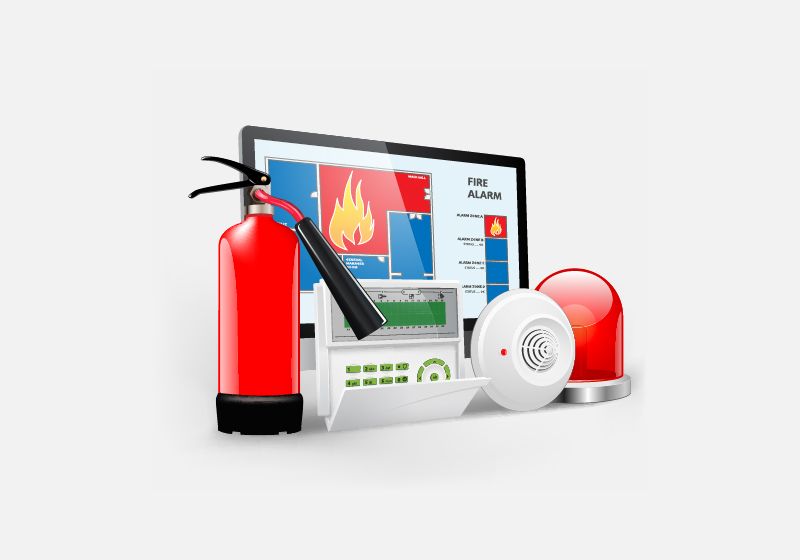
When it comes to choosing the right home safety tools, you have a variety of options to consider. However, you might not be inclined to give a second thought to something so seemingly simple as a fire extinguisher. It turns out, there’s quite a bit to know about fire extinguishers and how to choose the best one for your home. Here’s what you need to know: 1. Fire extinguishers are made for different purposes.Each fire is different, and so is every fire extinguisher. This is why it’s important to know that extinguishers are divided up into five main classes: Classes A, B and C are most commonly found in homes, and can also be combined. Having a two- or even three-class extinguisher means you’re better prepared for different types of fires. 2. You also need to choose the right extinguishing agent. A common assumption with fire extinguishers is that they all produce a white chemical cloud to subdue flames. In fact, there are six types of extinguishing agents, and each reacts a different way. 3. Place extinguishers around your home. When you decide which extinguisher will best suit your home, buy multiples to place strategically throughout your space. At the

Read More »

Lights Out: Preparing Your Home for a Power Outage

An unexpected loss of power to your home is not only a nuisance, but also a serious problem. Whether it’s from strong winds knocking down power lines or a sudden electrical surge, extended outages are a hazard. It’s important that you know what to do in a situation like this to keep your home and your family safe. Gather in a safe meeting place inside.The first step you should take when the lights go out in your home is to locate everyone. A severe storm may have forced you all close together, but if you aren’t, safely guide all friends, family and even pets to a single location inside. Once everyone is accounted for, you shouldn’t leave the space alone. Maneuvering in the dark can lead to someone falling or running into furniture and getting injured. Unplug all of your electronics. There’s a good chance that you had multiple devices in use before your power went out. You might have been watching the news for weather updates, cooking a meal or possibly using a power tool. Go around your home and turn off or unplug anything that was in use beforehand. The power could come back on at any time,

Read More »

Safe and Sound: Protecting Yourself from a Home Emergency

An emergency can strike anytime, anywhere, even in the place we’re supposed to feel safest–home. While it’s not easy to think about, some emergencies are unavoidable, and the best thing you can do for you and your family is be prepared. Do a Home Safety CheckA preventative home safety check can help decrease your chances of a major accident. Examine each nook and cranny to ensure that you do a comprehensive check. Go room by room and inspect all appliances, fixtures and furniture for potential safety issues. In Your Kitchen In Your Bedrooms and Living Rooms In Your Bathrooms In Hallways and Stairways In Your Basement Accounting for Small ChildrenWhether you have kids yourself, or have family and friends that do, your checklist will need to be adapted. Unless you can watch them at all times, your house will need to go through a “baby overhaul.” Watch out for more things like chipped paint, high surfaces and easily accessible doors. Along with your normal check, go over a baby safety guide to keep everyone in your home out of harm’s way. Install Warning Devices and Preventative Items A checklist is a good starting point to improve your home’s safety, but

Read More »

The Benefits of a Smart Home

Years ago, people dreamed of houses with electronic gadgets and robots to make life simpler and more luxurious. Today, those far-away dreams are a common reality. For a long time, smart homes were not an option for most people due to high cost. However, smart homes are becoming more and more affordable and homeowners are realizing the benefits that they have to offer. If you have been thinking about upgrading your home, the following information could help you decide. Benefits of a Smart HomeDefined, a smart home is one that connects the different appliances and components in your home through electronic devices on a wireless network. From your thermostat to your fridge, the system you use tracks usage data and energy consumption. Having all the items in your house at your fingertips increases ease of use and accessibility. You can monitor everything, and notice if something has an issue before it gets out of hand. Many homeowners agree that this simplicity and security are big draws to upgrade their homes. Choosing the Right SystemThere are many different companies that offer home upgrades, and it is important to choose the right one. The big names like Amazon, Google and even Apple

Read More »

How To Stop Burglars In Their Tracks When You’re On Vacation

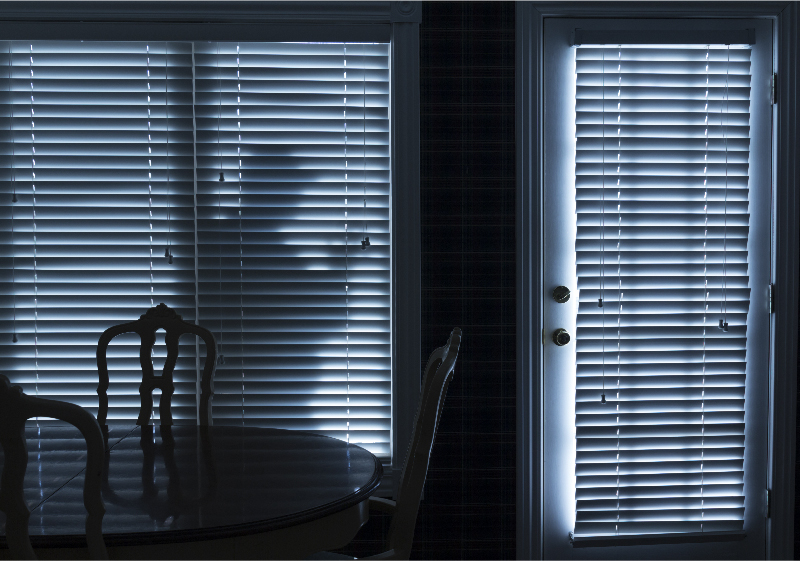
Between work, school, family, and friends, life gets busy! You work hard, and you deserve a nice long break from time to time. But leaving your home for an extended period of time can be stressful. After a relaxing trip, no one wants to return home to discover a break-in or a maintenance disaster. Taking some precautions prior to your time away is the best way to ensure you’ll have peace of mind to enjoy your vacation to its fullest! Recently, insurance experts at The Zebra compiled the latest statistics regarding burglaries in the United States. According to their research, 2.5 million burglaries occur annually in the U.S. In other words, there are new victims of home break-ins every 26 seconds. Solid home security should be a priority for all homeowners. The good news is that there are proven strategies to keep your home safe and your valuables secure while you take that next trip. Here are a few strategies every homeowner should consider to keep their home secure while it’s empty. Invest in a Security SystemThe best thing that any homeowner can do is to get a smart home security system. According to an article from Forbes, 83% of

Read More »

The Pros and Con(do)s of Buying A Condo

As people progress in their lives, chances are that they will experience a desire for increased ownership and investment in their living space. For many, this might mean a transition from an apartment to a traditional single-family home. Certainly, a traditional home has many potential draws for a first-time homeowner, but depending on priorities and interests, it would be a mistake not to consider a condominium. Condos are often regarded as a less expensive, more obtainable first home for young people. If you are in the market for home ownership, it would be valuable to review the pros and cons of buying a condo. But first, it’s important to develop a general understanding of how a condominium differs from an apartment or a traditional home. What Is A Condominium? A condominium is a residential complex consisting of separate units, each owned by their respective resident. Often abbreviated as simply “condos,” these units resemble apartments in some ways, often sharing walls with other units. Sometimes they are even located in highrise buildings, with units above or below one another. Condo owners are responsible for the upkeep of their units’ interiors, while they must join their condo’s association to collectively care for
Read More »

Caring for Your Home When You’re Away

Do you leave your home for long periods of time? Whether you’re spending winters in warm weather, travelling for work, or visiting distant friends and family on the regular, it’s easy for your home maintenance to start lagging behind if you’re often away. Here’s what you can do to keep your home safe and looking its best while you’re travelling. Conduct your regular maintenance ahead of time. If you know ahead of time when you’ll be leaving and for how long, there are things you can do ahead of time to prepare your home for your departure. Inside your home you should take out the trash, turn off lights, replace batteries in your detectors, and tidy up each room. Outside, clean your gutters, clean your exhaust vents, trim any plants back from your home, and look for signs of animal intrusion. Check that your locks work properly. Even if you think all of your locks are in working order, it doesn’t hurt to give them a once-over. Check that your doors and windows close properly and stay locked in place. Any locks that stick or seem loose should be replaced. Pay attention to the forecast. It can be difficult to

Read More »

Creating a First-Aid Kit for Your Home

September is recognized annually as National Preparedness Month. This year, the theme of the month by ready.gov is “Prepare to Protect. Preparing for disasters is protecting everyone you love.” One way you can prepare to protect those in your home is by creating a first aid kit in case of an emergency. It’s easy to do, and you should always have one ready! Always Be Prepared A first aid kit is a necessity for your home. You should have at least one inside the house in an easy-to-reach spot, plus one in each car. While you can pick one up from the store, it might be preferable to make your own. This way you’ll know you have all the supplies you need and you can add other items as well. If you travel a lot, you can customize your kit towards the type of adventure you’re going on. Hiking, boating, biking, and other outdoor activities each can have their own tailored kit for accidents that commonly occur with them. Carrying Case Just as important as the items you put in your kit is the actual case itself. You’ll want something that’s easily transportable and durable. Plastic cases are a good

Read More »

Making A Safe Home for Seniors

Being able to live your life independently becomes more difficult the older you get. Since February is National Senior Independence Month, it’s a good opportunity to think about your long-term safety plan for elderly loved ones. It’s a tough decision to know what steps to take in protecting them at home, but you have a few options to make the best choice for them and you. Stay or Move The biggest question you’ll have to face is determining whether to stay put or relocate. Moving away from a place that holds so many years of memories isn’t easy, and it may complicate your final choice. To maintain a sense of freedom and avoid the dangers that come with living alone, downsizing is a favorable option. Retirement homes or assisted living centers are also popular, and ensure that there’ll be regular supervision of your family member. But you can still make their current dwelling safe without making them feel restricted. Reduce Fall Hazards 27 percent of people 60 and above live alone in the U.S., while almost 25 percent age 65 and up live alone in Canada. However, almost a quarter will experience some type of injury, most likely a fall,

Read More »

4 Leading Fire Extinguisher Tips for Keeping Your Family Safe

When it comes to choosing the right home safety tools, you have a variety of options to consider. However, you might not be inclined to give a second thought to something so seemingly simple as a fire extinguisher. It turns out, there’s quite a bit to know about fire extinguishers and how to choose the best one for your home. Here’s what you need to know: 1. Fire extinguishers are made for different purposes.Each fire is different, and so is every fire extinguisher. This is why it’s important to know that extinguishers are divided up into five main classes: Classes A, B and C are most commonly found in homes, and can also be combined. Having a two- or even three-class extinguisher means you’re better prepared for different types of fires. 2. You also need to choose the right extinguishing agent. A common assumption with fire extinguishers is that they all produce a white chemical cloud to subdue flames. In fact, there are six types of extinguishing agents, and each reacts a different way. 3. Place extinguishers around your home. When you decide which extinguisher will best suit your home, buy multiples to place strategically throughout your space. At the

Read More »

Lights Out: Preparing Your Home for a Power Outage

An unexpected loss of power to your home is not only a nuisance, but also a serious problem. Whether it’s from strong winds knocking down power lines or a sudden electrical surge, extended outages are a hazard. It’s important that you know what to do in a situation like this to keep your home and your family safe. Gather in a safe meeting place inside.The first step you should take when the lights go out in your home is to locate everyone. A severe storm may have forced you all close together, but if you aren’t, safely guide all friends, family and even pets to a single location inside. Once everyone is accounted for, you shouldn’t leave the space alone. Maneuvering in the dark can lead to someone falling or running into furniture and getting injured. Unplug all of your electronics. There’s a good chance that you had multiple devices in use before your power went out. You might have been watching the news for weather updates, cooking a meal or possibly using a power tool. Go around your home and turn off or unplug anything that was in use beforehand. The power could come back on at any time,

Read More »

Safe and Sound: Protecting Yourself from a Home Emergency

An emergency can strike anytime, anywhere, even in the place we’re supposed to feel safest–home. While it’s not easy to think about, some emergencies are unavoidable, and the best thing you can do for you and your family is be prepared. Do a Home Safety CheckA preventative home safety check can help decrease your chances of a major accident. Examine each nook and cranny to ensure that you do a comprehensive check. Go room by room and inspect all appliances, fixtures and furniture for potential safety issues. In Your Kitchen In Your Bedrooms and Living Rooms In Your Bathrooms In Hallways and Stairways In Your Basement Accounting for Small ChildrenWhether you have kids yourself, or have family and friends that do, your checklist will need to be adapted. Unless you can watch them at all times, your house will need to go through a “baby overhaul.” Watch out for more things like chipped paint, high surfaces and easily accessible doors. Along with your normal check, go over a baby safety guide to keep everyone in your home out of harm’s way. Install Warning Devices and Preventative Items A checklist is a good starting point to improve your home’s safety, but

Read More »

The Benefits of a Smart Home

Years ago, people dreamed of houses with electronic gadgets and robots to make life simpler and more luxurious. Today, those far-away dreams are a common reality. For a long time, smart homes were not an option for most people due to high cost. However, smart homes are becoming more and more affordable and homeowners are realizing the benefits that they have to offer. If you have been thinking about upgrading your home, the following information could help you decide. Benefits of a Smart HomeDefined, a smart home is one that connects the different appliances and components in your home through electronic devices on a wireless network. From your thermostat to your fridge, the system you use tracks usage data and energy consumption. Having all the items in your house at your fingertips increases ease of use and accessibility. You can monitor everything, and notice if something has an issue before it gets out of hand. Many homeowners agree that this simplicity and security are big draws to upgrade their homes. Choosing the Right SystemThere are many different companies that offer home upgrades, and it is important to choose the right one. The big names like Amazon, Google and even Apple

Read More »